This guide simplifies Nepal’s marriage laws outlined in Sections 67 to 84 of the Muluki Dewani Sanhita, 2074 (Country Civil Code, 2074). It explains what constitutes a legal marriage, how to register a marriage, and other key points.
What is a Marriage Under Nepali Law?
In Nepal, a marriage can be established in two ways:
- Traditional Marriage: A man and woman publicly accept each other as husband and wife through any ceremony, occasion, or formal or informal act. This is considered a valid marriage even without registration.
- Court Marriage: A man and woman can register their marriage at a District Court or Nepali embassy/consulate (if abroad) following a specific process.
Key Conditions for a Valid Marriage:
- Consent: Both the man and woman must freely agree to marry.
- Age: Both partners must be at least 20 years old.
- No Existing Marriage: Neither party can be already married to someone else.
- No Close Relatives: The couple cannot be close relatives as defined by law (to prevent incest).
- Mental Capacity: Both partners must be of sound mind.
Situations When a Marriage is Not Valid:
- If any of the conditions mentioned above are not met (e.g., forced marriage, underage marriage).
- If one party hides a serious medical condition (HIV, Hepatitis B, etc.), impotency, or mental illness.
- If one party is already pregnant and the other is unaware (except when the pregnancy results from the relationship itself).
Consequences of an Invalid Marriage:
- A marriage concluded through misrepresentation (hiding crucial information) can be voided by the deceived party.
- Marriages with close relatives or without consent are automatically void.
How to Register a Marriage:
- Both husband and wife can register their marriage at their local District Court office by submitting an application form.
- If the marriage happened abroad, the registration can be done at the Nepali embassy or consulate in that country.
- The registration process typically takes 15 days.
More Considerations
- A child born from a marriage (even if later declared invalid) has full legal rights.
- A married woman can choose to use her father’s/mother’s surname, her husband’s surname, or a combination of both.
- After a marriage dissolves (through divorce, death, or legal separation), a woman can revert to her pre-marital surname if she chooses.
- If you believe an act or decision related to marriage registration was unfair, you can file a lawsuit within three months of the incident.
Marriage Rights and Responsibilities in Nepal

This section explains some key legal aspects of marriage in Nepal, focusing on the rights and responsibilities of husbands and wife. It’s written in plain language to help you understand these important concepts.
Being Recognized as Husband and Wife (Section 85):
- Once a man and woman get married, they are legally considered husband and wife for as long as the marriage lasts.
Duties and Responsibilities of Spouses (Section 86):
- Mutual Love and Respect: Both husband and wife have a right to expect love, respect, and good faith from each other.
- Living Together: Ideally, spouses should establish a home and live together as a couple. Exceptions can be made if both agree otherwise.
- Support and Assistance: Husbands and wives are obligated to help, protect, and respect each other.
Where Does the Wife Live? (Section 87):
- Generally, the husband’s home is considered the wife’s residence. However, if they both agree, they can establish a separate residence.
Acting on Each Other’s Behalf (Section 88):
- Spouses are considered each other’s agents for general household matters, unless otherwise stated in the law or if there’s a legal dispute between them. This means they can make decisions about everyday household affairs on each other’s behalf.
Financial Support (Section 89):
- Both husband and wife have a responsibility to provide for each other’s financial needs and healthcare costs. The amount of support depends on their income, social status, and ability to contribute.
Managing Household Finances (Section 90):
- In a joint family setting, spouses should manage household finances together based on their combined income, property, and capabilities.
- Selling or transferring property (like a house or land) owned by one spouse usually requires the consent of the other spouse, unless otherwise stated by law.
Freedom to Work (Section 91):
- Neither spouse can prevent the other from pursuing a profession, business, or occupation based on their skills and qualifications.
Challenging Decisions (Section 92):
- If you disagree with a decision made under this law, you have three months to file a lawsuit.
Divorce Laws in Nepal
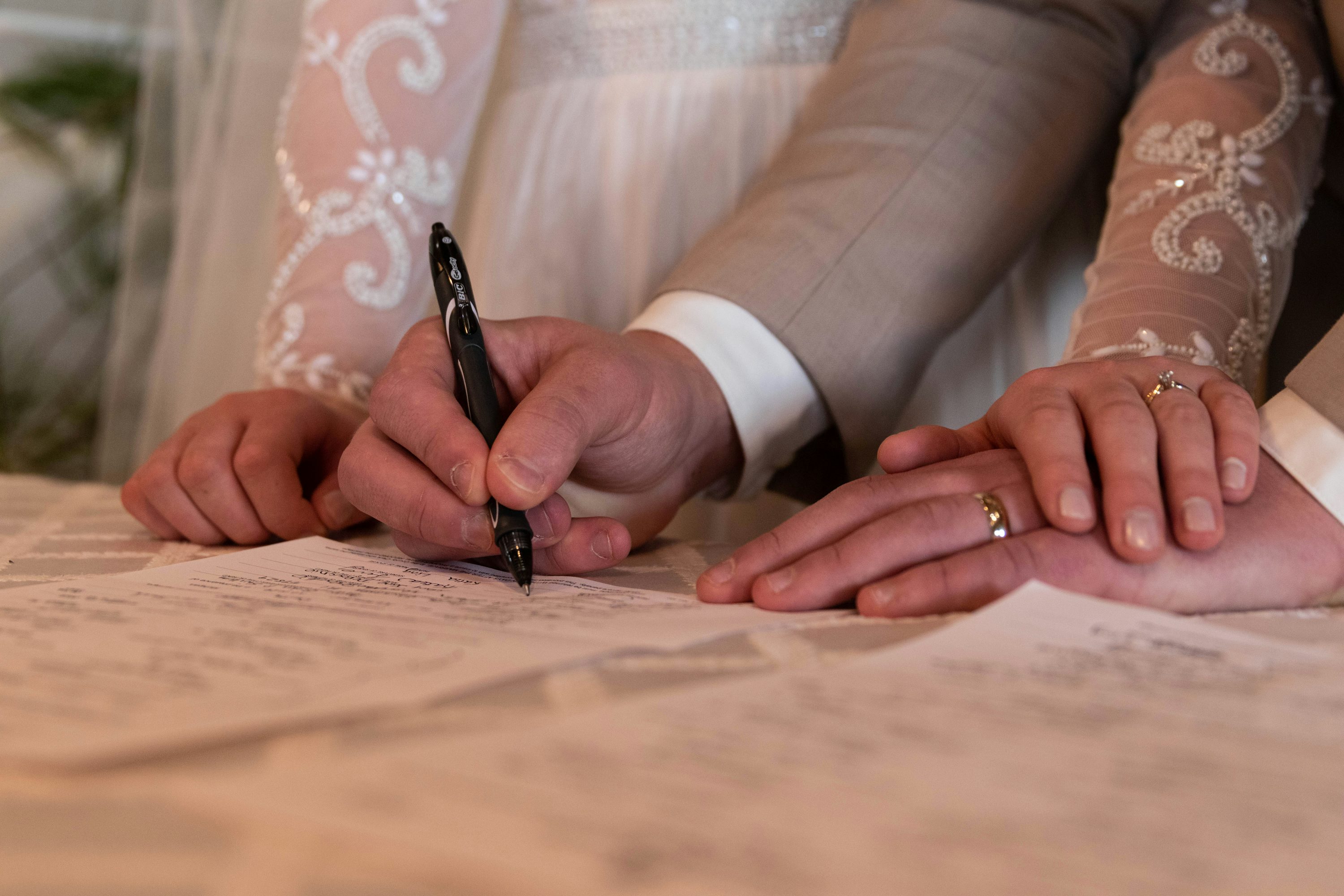
This section explains the key aspects of divorce law in Nepal, aiming to simplify the legalese into everyday terms.
Getting a Divorce in Nepal
There are two main ways to get a divorce in Nepal:
- Mutual Consent: Both spouses agree to end the marriage.
- Through Court: One spouse files a petition with the court requesting a divorce.
Grounds for Divorce (without consent) (Section 94)
If you cannot agree on a divorce with your spouse, you can still file a petition with the court under specific circumstances. Here’s a breakdown of the grounds for divorce applicable to both husbands and wives:
- Living Separately: If your spouse has been living separately for three or more consecutive years without your consent.
- Denial of Support: If your spouse refuses to provide financial support for your basic needs.
- Cruelty: If your spouse physically or mentally abuses you.
- Adultery: If your spouse has sexual relations with someone else. (This applies differently to husbands and wives, as explained below)
Additional Grounds for Wife (without consent):
- Bigamy: If your husband marries another woman.
- Rape: If your husband has raped you.
Important Note: These are just the general grounds. The specific details and interpretations may vary depending on the situation. It’s always best to consult with a lawyer for personalized advice.
The Court Process (Section 96)
- Filing a Petition: The spouse seeking a divorce files a petition with the court.
- Mediation: The court will try to reconcile the couple through mediation. This is an attempt to settle your differences and potentially save the marriage.
- Divorce Order: If mediation fails and the court deems a divorce necessary, it will grant a divorce decree.
- Cooling-Off Period (for Mutual Consent): If both spouses agree to a divorce, there might be a waiting period of one year before the divorce is finalized.
- Property Division: In most cases, the court will order a division of marital property before finalizing the divorce, especially if requested by the wife. There are specific rules for handling property division, depending on the situation.
- Alimony: The court may order the spouse responsible for the divorce to provide financial support (alimony) to the other spouse, especially if they have limited income.
More Considerations
- Prenuptial Agreements: A written agreement between spouses before marriage outlining property division and alimony rights in case of divorce can be taken into account by the court.
- Remarriage: If a wife receiving alimony remarries, she may no longer be entitled to receive it.
- Children: Child custody and support arrangements are separate matters and are not automatically addressed in a divorce case.
Time Limits (Section 104)
You generally have three months from the date you become aware of an issue to file a lawsuit challenging an action taken under the divorce law.
Relationship of Mother, Father and Son and Daughter

This section simplifies some key provisions of Nepali law related to families and children. Here’s a breakdown of what these sections mean for you:
Determining Parentage
Section 106
If a child is born during the marriage and at least 180 days after the wedding, or within 272 days of the husband’s death or divorce, the husband is presumed to be the father (unless proven otherwise).
Section 107
The husband can deny paternity of a child born within 180 days of the marriage, unless he knew the wife was pregnant before the wedding or didn’t object at the time.
Claiming Paternity or Maternity
Section 108
If a child’s biological parents are unknown, someone claiming to be the parent must make a claim within two years of the child’s birth or identification.
- This claim cannot be made if the child is already deceased.
Children Born Through Assisted Insemination
Section 109
If a married couple uses sperm donation with the husband’s consent, the child is legally considered the husband’s biological child.
Disputes Regarding Parentage
Section 110
If there’s a disagreement about who a child’s biological parents are, a court will decide.
Naming a Child
Section 111
- Parents have the right to name their child based on their religion, culture, or tradition.
- If a parent is unavailable, a guardian can name the child.
- Children have the right to use their father’s surname with his consent, and their mother’s surname regardless of consent.
- If paternity is unknown, the child can use the mother’s surname.
- Adults can choose to use their father’s, mother’s, or both parents’ surnames.
- In case of disputes, the child is presumed to use the father’s surname unless proven otherwise.
- If neither parent is known, the child can use the surname given by their guardian.
Registering a Child’s Birth
Section 113
Parents are required to register their child’s birth within three months with a government-designated authority. Fees may apply for late registration.
- Birth registration details include the child’s name, surname, date and place of birth, and parents’ and grandparents’ names and addresses (if known).
- This information is forwarded to relevant government offices for record-keeping.
Parental Responsibilities
Section 114
Both parents are jointly responsible for caring for and maintaining their minor children, including providing for their needs and well-being according to their financial capabilities.
Child Custody After Separation or Divorce
Section 115
- If parents separate or divorce, custody arrangements are determined as follows:
Children under 5 years old typically go to the mother, even if she remarries.
Children over 5 years old may go to the mother if she doesn’t remarry and desires custody.
Otherwise, custody goes to the father.
- Parents can have a separate agreement regarding custody during divorce proceedings.
- For children over 10 years old, their wishes may be considered when determining custody.
- If the custodial parent dies, the surviving parent takes custody, except for mothers who have remarried and children over 5.
Section 116
- The parent with custody is responsible for caring for and maintaining the child according to their financial capacity (as outlined in Section 114).
- If the non-custodial parent has a higher income, they may be required to contribute to the child’s maintenance, education, and healthcare costs through an agreement or court order.
Visitation Rights
Section 117
- Children of separated or divorced parents have the right to visit the non-custodial parent, or even stay with them for a period of time, with the agreement of both parents.
- The court can restrict visitation if it’s deemed harmful to the child’s well-being.
- The frequency and duration of visits are determined by the parents’ agreement or a court order.
Continuing Rights and Obligations After Separation or Divorce
Section 118
Children born to married couples retain their legal rights and obligations towards both parents, even if the parents separate or divorce.
Living Arrangements for Adult Children
Section 119:
Adult children (over 21 years old) can choose to live separately from their parents without their consent. Other exceptions allowing an adult child to live separately include:
- Legal separation from parents with or without dividing family property.
- Marriage.
- Employment.
Child Labor
Section 120
- Minors allowed to work legally cannot do so without the consent of a parent, guardian, or curator.
Decision-Making for Minor Children
Section 121
- If unmarried parents or divorced parents with a child disagree on a matter concerning the child’s rights or interests, the decision made by the parent the child lives with prevails.
Respecting and Caring for Parents
Section 122:
- Children are legally obligated to treat their parents with respect and honor.
- Children are also obligated to provide necessary care, maintenance, and medical attention to their parents according to their own financial and social means, regardless of whether they live together or separately.
Legal Action Time Limits
Section 123
- This section outlines the time limits for filing lawsuits related to actions taken under this chapter.
- In general, there may be specific time limits depending on the issue. If no specific time limit is mentioned, a lawsuit must be filed within six months of the action being taken.
Parental Responsibilities in Nepal

This section explains the rights and responsibilities that parents and children have in Nepal, focusing on parental authority. Here’s a breakdown of the key points:
Parental Supervision and Control
- Minors (children under 18) are expected to live under the supervision and control of their parents. This means following their parents’ lawful instructions. (Section 125)
Sharing Parental Responsibilities
Ideally, both parents should jointly make decisions and fulfill their duties towards their children. (Section 125). In some cases, only one parent may exercise this authority, such as:
- If one parent dies. (Section 125(2)(a))
- If one parent is mentally unfit. (Section 125(2)(b))
- If parents are separated or divorced, the custodial parent has authority. (Section 125(2)(c))
- If the father is unknown, the mother has authority. (Section 125(2)(d))
Parental Rights and Duties
These are the responsibilities of a parent with parental authority:
- Care and Companionship: Provide a home, food, clothing, and companionship for your child. (Section 126(a), (b))
- Love and Guidance: Show affection and teach your child good morals, social behavior, and cultural values. (Section 126(c), (d))
- Education and Development: Provide opportunities for education, sports, and access to positive learning materials. (Section 126(g), (h))
- Healthcare: Ensure your child receives medical care when needed. (Section 126(f))
- Discipline: Correct your child’s behavior in a way that doesn’t cause physical or mental harm. (Section 129)
Preventing Discrimination
Parents cannot favor one child over another regarding food, education, healthcare, or chores based on gender. (Section 127)
Special Care for Disabled Children
Parents are required to provide additional care, treatment, and education for children with disabilities. (Section 128)
Authority Figures
- Parents may appoint teachers or educational institutions to exercise some authority related to education and discipline, but not physical punishment. (Section 130)
- Guardians or curators can exercise parental authority if both parents are unavailable. (Section 131)
Limiting Parental Authority
A court can restrict a parent’s authority if they:
- Abuse or neglect the child. (Section 132(1)(a), (b))
- Involve the child in immoral activities or dangerous work. (Section 132(1)(c), (d))
- Mismanage the child’s property. (Section 132(1)(e))
- Force the child to abandon family life or become a religious ascetic. (Section 132(1)(f))
- Force the child to beg (except for religious or cultural purposes). (Section 132(1)(g))
- Engage in any other illegal activity involving the child. (Section 132(1)(h))
Termination of Parental Authority
Parental authority ends when a child:
- Turns 18 years old.
- Lives separately after getting a job (except for disabled children). (Section 133)
Legal Action
If you believe a parent is abusing their authority or someone’s rights are violated under this law, you can file a lawsuit within six months of the incident. (Section 134)
Guardianship in Nepal
This section explains who can be a guardian and their responsibilities in Nepal. It uses clear language to break down the legal provisions into easy-to-understand points.
Who is a Guardian?
A guardian is someone who is legally responsible for taking care of an incompetent or quasi-competent person. An incompetent person cannot make important decisions for themselves, while a quasi-competent person can make some decisions but may need help with others.
Who Can Be a Guardian?
The law gives priority to certain family members to become a guardian. This is the preferred order, unless there’s a reason why someone can’t be a guardian:
- Husband or wife living in a joint family
- Parents (father or mother)
- Adult children or daughter-in-law living in a joint family
- Separated husband or wife
- Separated adult children or daughter-in-law
- Grandparents
- Grandchildren
- Siblings (brothers or sisters)
- Maternal grandparents and relatives (uncle or aunt)
Other Guardians
Someone Chosen by the Person
If the person who needs a guardian is over 10 years old and has mental capacity, they can choose their own guardian with court approval.
Guardian Appointed by Court
- If no one from the priority list is willing or able to be a guardian, the court can appoint someone else.
- The court can also appoint a guardian if someone files a petition requesting it.
Organizations as Guardians
Children’s organizations registered with the government can be guardians for children living there if no other guardian is available.
Who Cannot Be a Guardian?
- Someone who is not mentally competent themselves.
- Someone who has harmed the incompetent or quasi-competent person in the past.
- Someone sentenced to prison for more than 3 years (except for close family members).
- Someone disqualified by the court.
Responsibilities of a Guardian
- Care and Well-being: The guardian must use the person’s property, if any, to provide for their food, health, education, entertainment, and overall well-being.
- Managing Property: The guardian must manage the person’s property responsibly. This may involve using the property to pay for their care or selling it with court permission (except in some family situations).
- Maintaining Records: The guardian must keep track of expenses and income related to the person’s care and property (except in some family situations). These records must be given to the person when they turn 18 or become competent, or to their legal heir if they die.
- Legal Representation: The guardian can take legal action to protect the person’s rights.
Ending a Guardianship
A guardianship ends when:
- The guardian asks the court to be relieved of their duties and the court agrees.
- The guardian or the person under guardianship dies.
- The person under guardianship becomes mentally competent.
- The court removes the guardian upon request by the person under guardianship.
More Considerations
- A guardian’s rights and responsibilities don’t automatically transfer to someone else if they die. A new guardian will need to be appointed.
- A guardian who uses their own money for the person’s care can be reimbursed from the person’s property (except in some family situations).
- A guardian who harms the person or their property can be sued for the damages.
- Anyone who believes a guardian has acted wrongly can file a lawsuit within six months of finding out.
This is a general overview, and it’s always best to consult with a lawyer for specific legal advice.
Curatorship in Nepal
This section explains curatorship in Nepal, a legal process for protecting people who can’t manage their own affairs.
Who Needs a Curator?
- Minors (children under 18) without a guardian: If a child loses both parents or their guardian can’t care for them, a curator can step in.
- Adults with mental disabilities: If an adult cannot make their own decisions due to a mental disability, a curator can help manage their life.
Who Can Be a Curator?
- Anyone except those disqualified to be guardians: This generally means people who are themselves unreliable or have a conflict of interest. (See previous guide on guardians for details on disqualifications)
- Parents (for minors): In most cases, the mother of a minor below 10 becomes the curator, even if remarried.
- People designated by the person needing a curator: Adults can sometimes choose their own curator.
- Ward committee: If no one else is suitable, the local government’s ward committee can recommend a curator to the court.
Court Appointment:
- The court can appoint a curator if there’s no suitable person or no one is acting as one.
Duties of a Curator:
- Manage property: The curator takes care of the person’s property, using it for their well-being (including maintenance, education, and medical care).
- Act responsibly: Curators must manage the property carefully and avoid selling it unnecessarily. They are liable for any losses due to negligence.
- Selling property: If necessary, a curator can ask the court’s permission to sell some of the person’s property (like land) to cover essential expenses.
When Does Curatorship End? (Section 164)
- The person reaches 18 (for minors).
- The person with a disability regains mental capacity.
- A guardian is appointed.
- The curator is removed by the court for misconduct.
- The curator or the person under curatorship dies.
Taking Care of Your Own Property: Section 165)
If you need to leave Nepal and can’t manage your property while you’re gone, you can appoint a temporary curator to look after it for you.
Getting Court Certification:
Curators appointed under specific sections (153, 154 & 165) need court certification.
Adoption Laws in Nepal
This section simplifies Nepal’s adoption laws to help you understand the process and eligibility requirements. Here’s a breakdown of the key points:
Who Can Adopt?
- Married Couples: Couples who haven’t had children after ten years of marriage can adopt.
- Single Individuals:
- Unmarried women over 45 years old with no children (biological or adopted).
- Unmarried men over 45 years old who are widowers, divorced, or judicially separated with no children.
- Exceptions: People with a criminal record or those unable to financially support a child cannot adopt.
Who Can Be Adopted?
- Generally, children under 14 years old.
- Exceptions: Children above 14 can be adopted if they are related to the adopter within three generations (like a grandchild) or if they are the child of the adopter’s ex-spouse.
- Only one child can be adopted at a time, unless a biological child is already present in the family.
Adoption Process:
- Consent: Written consent is required from both biological parents (if alive), or the surviving parent.
- Court Petition: A petition for adoption needs to be submitted to the court along with a completed adoption deed.
- Court Approval: The court will review the petition and adoption deed. If approved, the court will grant permission for adoption and authenticate the deed.
Rights and Responsibilities:
Adopted Child’s Rights:
- Considered a legal son or daughter with the same rights and obligations as a biological child.
- Can use the surname of either or both adoptive parents.
- May still use their biological parents’ surname if desired.
- Not entitled to inherit from biological parents’ estate (unless adoption is annulled).
Adoptive Parents’ Responsibilities:
- Provide for the adopted child’s maintenance, healthcare, education, and well-being.
- Protect the child’s rights and interests.
Adopted Child’s Responsibilities (Once Adult):
- May be obligated to care for the adoptive parents in their old age (similar to biological children).
Annulling an Adoption:
- An adoption can be voided if the legal requirements weren’t followed.
- An adoptive parent can seek to annul the adoption if the child fails to fulfill their obligations.
- An adopted child can seek to annul the adoption if the adoptive parent fails to fulfill their obligations (unless they’ve already received a partition share of the adoptive parent’s property).
More Considerations
- Adopted children have the right to visit and communicate with their biological parents.
- There’s a one-year time limit to challenge an adoption after the adoption process is finalized.
Inter-Country Adoption in Nepal
This section simplifies Nepal’s legal procedures for adopting a Nepali child by a foreigner, also known as inter-country adoption. Here’s a breakdown of the key points:
Who Can Adopt?
- Married couples who haven’t had a child after ten years of marriage.
- Unmarried women (widows, divorcees, or judicially separated) between 45 and 55 years old with no children.
- Unmarried men (widowers, divorcees, or judicially separated) between 45 and 55 years old with no children.
Who Can Be Adopted?
- Orphans who have lost both parents and have no guardian.
- Children voluntarily abandoned at a children’s home by their parents due to financial hardship.
- These children must have stayed in the children’s home for at least six months.
Eligibility Requirements for Adoptive Parents:
- Be of sound mind.
- Have no criminal record involving moral turpitude (serious crimes).
- In some cases, single parents from countries where a single person can adopt are eligible.
- Not be from a country that prohibits Nepali citizens from adopting or discriminates against adopted children.
Adoption Process:
- Application: Submit an application to the Inter-country Adoption Board with various documents like birth certificate, marriage certificate (if applicable), medical certificate, financial statements, and a letter of guarantee from your home country’s government.
- Selection: The Board will match you with a suitable child based on your preferences and the child’s needs.
- Government Approval: The Board recommends a child for adoption to the Government of Nepal for final approval.
- Taking Custody: Once approved, you can travel to Nepal to finalize the adoption and take custody of the child.
Post-Adoption Monitoring:
- The Nepali government may monitor how you care for the adopted child.
- You’ll need to submit reports on the child’s well-being regularly.
Additional Considerations:
- Nepal may prioritize families willing to adopt children with special needs.
- Renowned foreigners (heads of state, Nobel laureates, etc.) may have a faster adoption process.
- The adopted child can file a lawsuit to annul the adoption within one year of reaching adulthood if they weren’t properly cared for.
More Considerations
- Adoption is a complex legal process. This guide is for informational purposes only and doesn’t constitute legal advice.
- It’s advisable to consult with a lawyer experienced in Nepali adoption law for personalized guidance.
Partitioning Property in Nepal
This section explains who can claim a share of property in Nepal and how the partition process works. It uses clear and simple language to break down the relevant sections of the Civil Code.
Who Can Claim a Share of Property?
Coparceners
These are people considered to have a joint ownership stake in a property. They include:
- Husband
- Wife
- Father
- Mother
- Son
- Daughter
How is a Partition Share Determined?
- Equal Shares: In general, each coparcener has an equal right to a share of the property.
- Pregnant Women: If a woman is pregnant at the time of partition, her expected baby is also considered a coparcener. The baby’s share is set aside even if it’s not born alive.
- Children of Dissolved Marriages: Children born to couples whose marriage is invalid or dissolved can claim a share from both parents.
Special Situations
- Unknown Father: Children whose father is unknown can only claim a share from their mother’s property.
- Living Arrangements: A wife kept secretly or children born from her cannot claim a share after the husband or father’s death.
- Multiple Wives: If a man has more than one wife, each wife gets a share from his portion of the property.
- Subsequent Marriages: If a person gets married again after having children, the children’s share is secured before dividing the remaining property.
Reasons for Partition
- Mutual Agreement: Coparceners can agree to separate and receive their share at any time.
- Disagreements: If there’s a disagreement within the family, a coparcener can request separation and a partition of the property.
- Failure to Provide Support: If the person responsible for maintaining a coparcener (e.g., spouse, child, parent) fails to do so, the coparcener can seek separation and a share of the property.
- Domestic Violence: A spouse experiencing physical or mental abuse can seek separation and a share of the property.
- Death of Spouse: A widow can choose to separate and receive her share of the property.
The Partition Process
Deed of Partition
A written agreement outlining how the property and any debts will be divided among coparceners.
Inventory of Property
A detailed list of all property and debts subject to partition. This includes:
- Land details (location, size, value)
- House details (location, size, number of rooms, value)
- Movable property details (description, value)
- Cash, bank balances, shares, etc. (details and value)
- Livestock details (description, value)
- Details of gold, silver, jewelry (description, value)
- Details of vehicles (description, value)
- Other property details (description, value)
Registration: The deed of partition must be registered with the appropriate government office.
More Considerations
- Hidden Property: Coparceners cannot hide property to avoid sharing it during partition. If someone is caught hiding property, they lose their right to claim a share of it.
- Debts: Debts incurred by the family are also divided among coparceners during partition.
- Dissatisfaction with Partition: If a coparcener is unhappy with their share, they can file a lawsuit within three months of the partition.
- Concealed Property: If property is discovered later that was hidden during the initial partition, a lawsuit can be filed to claim a share of it.
- Time Limits: There are time limits for filing lawsuits regarding partition disputes.
Previous Partitions
- Partitions done before this law came into effect are still considered valid.
- If someone received maintenance for living instead of a share before this law, it’s considered a settled partition.
Inheritance Rights in Nepal
This section explains how inheritance works in Nepal according to the National Civil Code. It simplifies the legalese into everyday language to help you understand who inherits property and under what circumstances.
What Happens When Someone Dies?
When someone passes away, it’s called “succession” in legal terms. Their property and debts become available to be inherited by their legal heirs.
Who Gets to Inherit?
The law determines who inherits property based on a specific order of preference. Here’s a breakdown of who inherits first, second, and so on:
Spouse and Living Family Members:
- Your spouse living in the same household as you at the time of your death inherits your property.
- If you have children (sons, daughters, or adopted children), they inherit along with your spouse.
- A widowed daughter-in-law living in the same household as you can also inherit.
Parents and Grandchildren:
- If there’s no spouse or children, your parents (father, mother, or stepmother) inherit.
- Your grandchildren (from your sons or daughters) living in the same household can also inherit along with your parents.
Separated Family Members:
- If none of the above are alive, your separated spouse, children, parents, or stepmother can inherit.
Distant Relatives:
- In the absence of closer relatives, even separated grandparents, uncles, aunts, nephews, or nieces living in the same household can inherit.
Important Points to Remember:
- Heirs in the same category inherit equally (like siblings sharing the property).
- An heir can choose not to inherit. If they decline, the inheritance moves to the next person in line.
- If the deceased was staying with a distant relative after separating from their closer family, that relative might inherit.
- Someone who took care of the deceased can inherit even if they’re not a close relative, but there was no one else to look after them.
What About Debts?
The person inheriting the property is also responsible for paying off the deceased’s debts, but only up to the value of the inherited property.
What Happens if There’s No Heir?
If no one inherits the property, it goes to the local government. They will use it for public benefit after deducting any funeral expenses.
Time Limits for Inheritance Claims
There’s a three-year time limit to claim inheritance from the date the person dies.
Inheritance for Foreigners
If a foreigner dies in Nepal with no heir, the local government handles the property similarly. They will try to contact the deceased’s home country to locate heirs. If none are found, the property goes to the local government for public use.